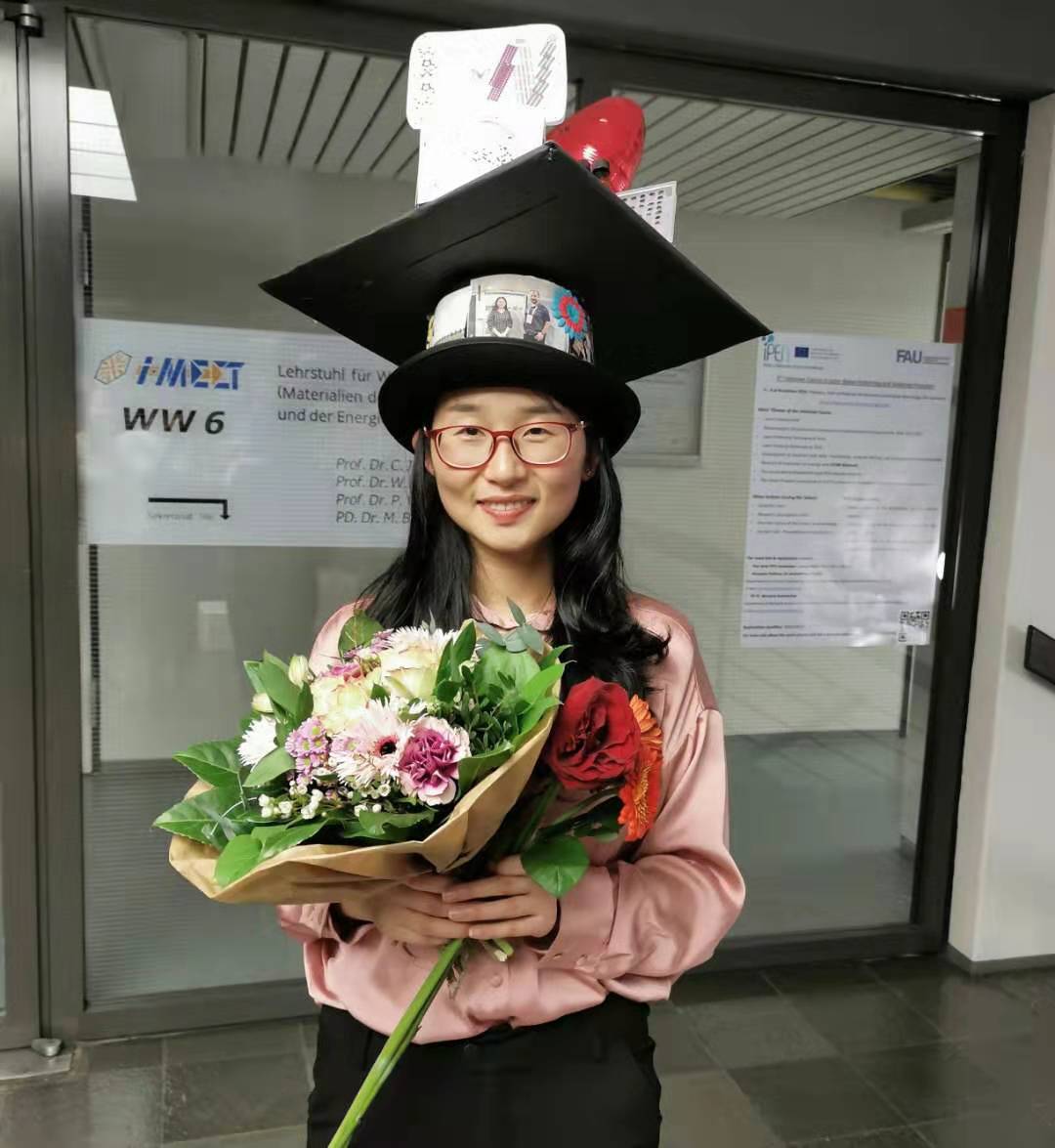
Nicola finished his PhD at i-MEET in 2017 and we all at i-MEET still have the best memories on him. After working 2 years at KAUST on OPV with Derya, Nicola has joined Imperial College to work on a novel topic - the artificial retina. Just now Nicola has been named World Economic Forum Young Sci...
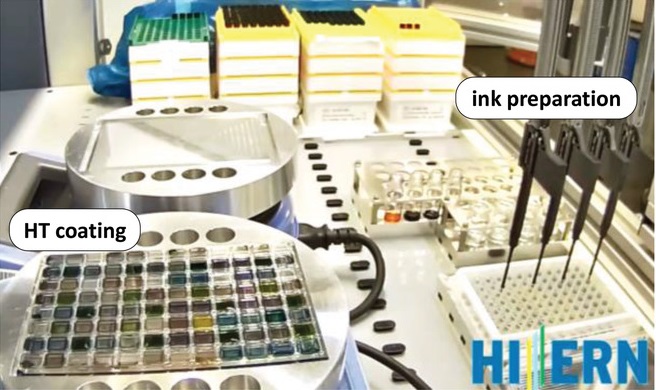
Self-driven laboratories are current discussed as a fast and reliable methodology to overcome the limitation of classical high-throughput experimentation. In his most recent article in Advanced Materials, Stefan challenged a robot based high throughput process to identify the most photost...
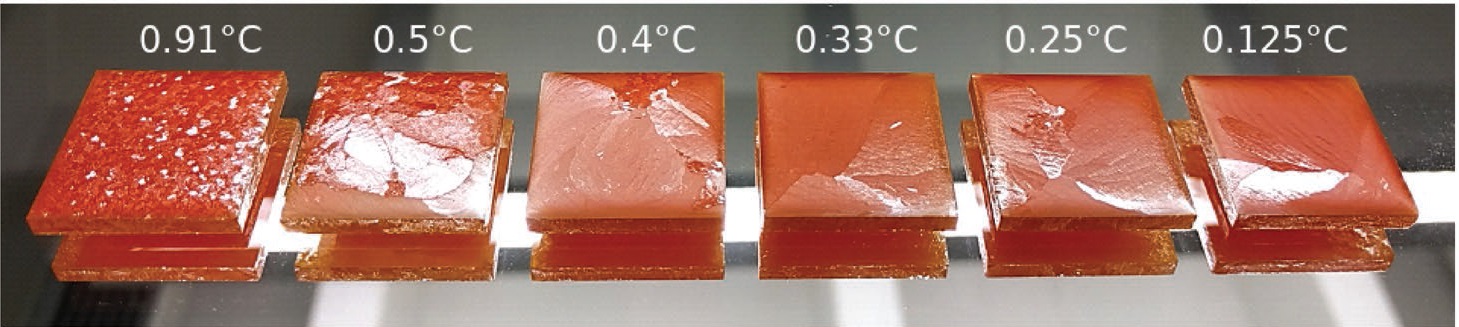
The current state-of-the-art X-ray to current converter technology is based on Cd(Zn)Te. The into crystalline wafer processed material, offers ideal properties but requires demanding production processes such as zone melting, the Bridgman method or epitaxial growth. Beside the high costs, most l...
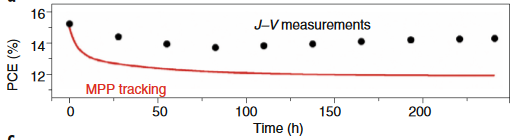
Until now, the perovskite community lacked cohesion and consistency in identifying key tests that could reveal failure modes specific to perovskite cells, which is both cause and consequence of the limited understanding of device degradation. More effort is needed to understand degradation mech...
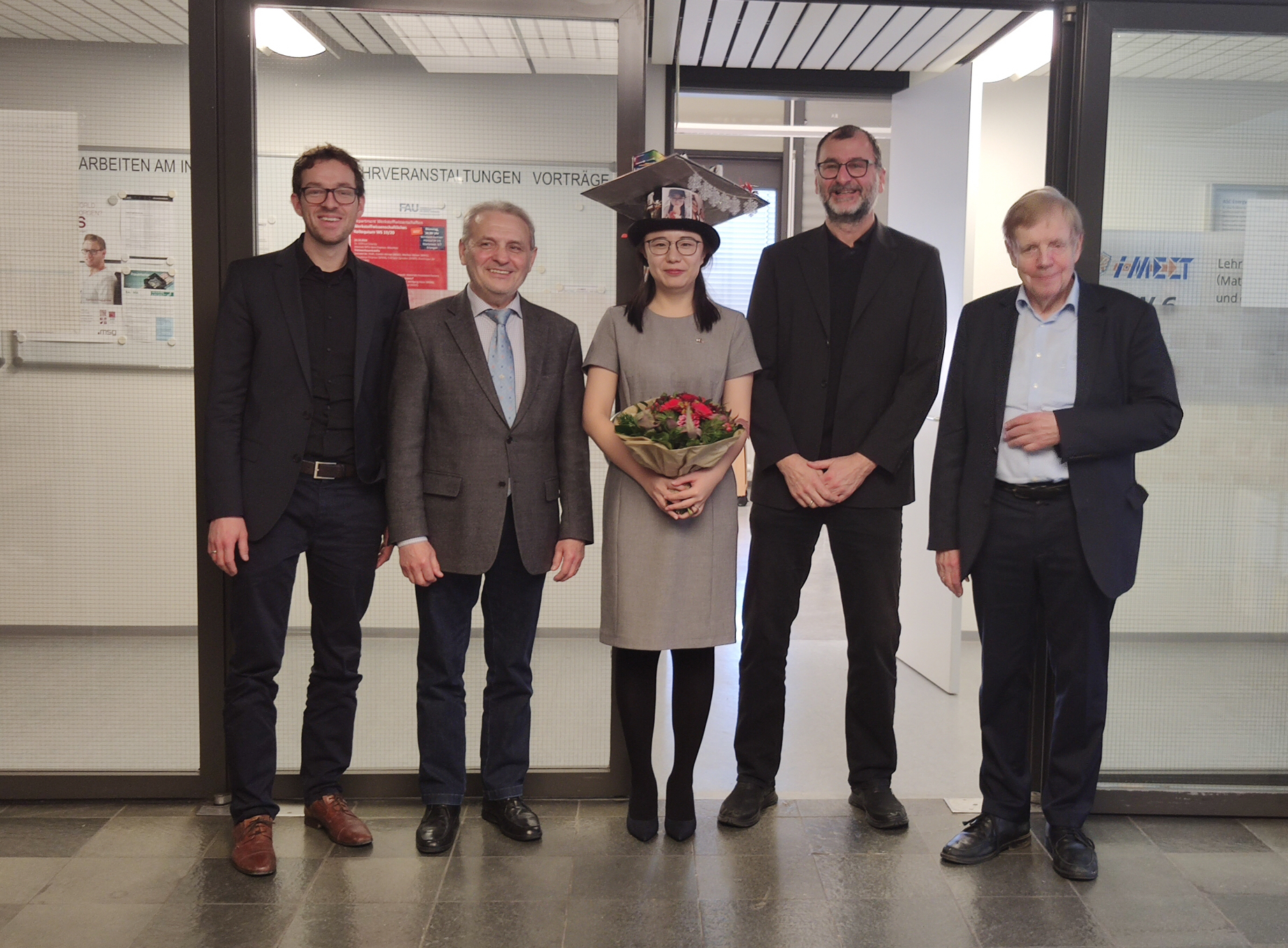
Shuai and Iftikhar had both worked during their PhD on multilayer coatings, though on very different applications. Iftikhar designed and processed multi-layer barrier coatings for organic electronics, while Shuai developed and demonstrated multilayer dielectric mirrors for vapor sensing and mic...
The Highly Cited Researchers List 2019 lists the world's most influential researchers from 21 scientific disciplines. The department of Materials Science @ FAU is continuously ranked in that list consecutively for several years. This year, Prof Christoph J Brabec and Prof Patrik Schmuki have agai...
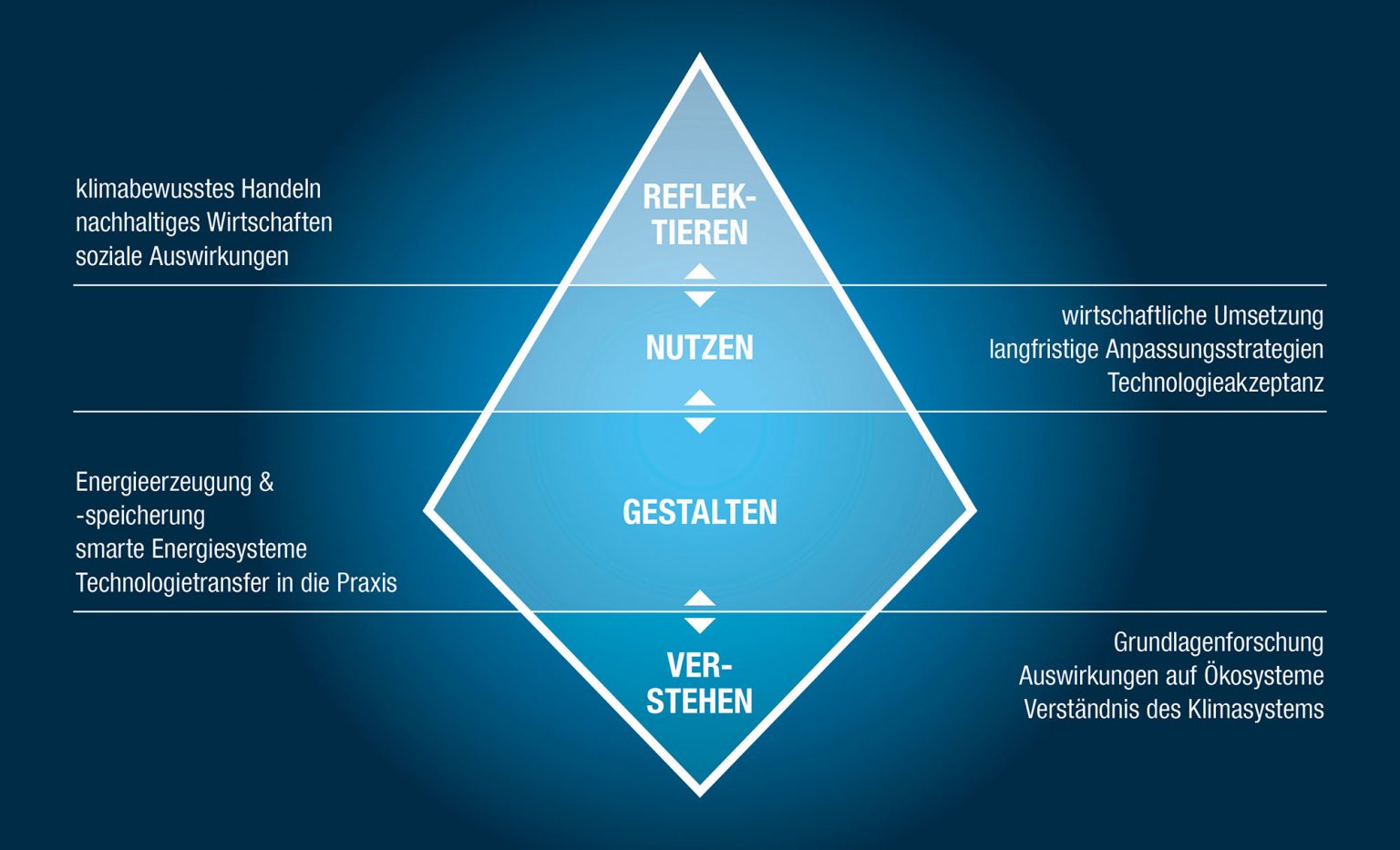
FAU is presenting its ambitious goals to develop solutions to the energy and climate crisis on the recently released "Energy & Climate" homepage. You will find many interesting statements from researchers across all faculties and disciplines, who are united by sharing one common goal - ho...
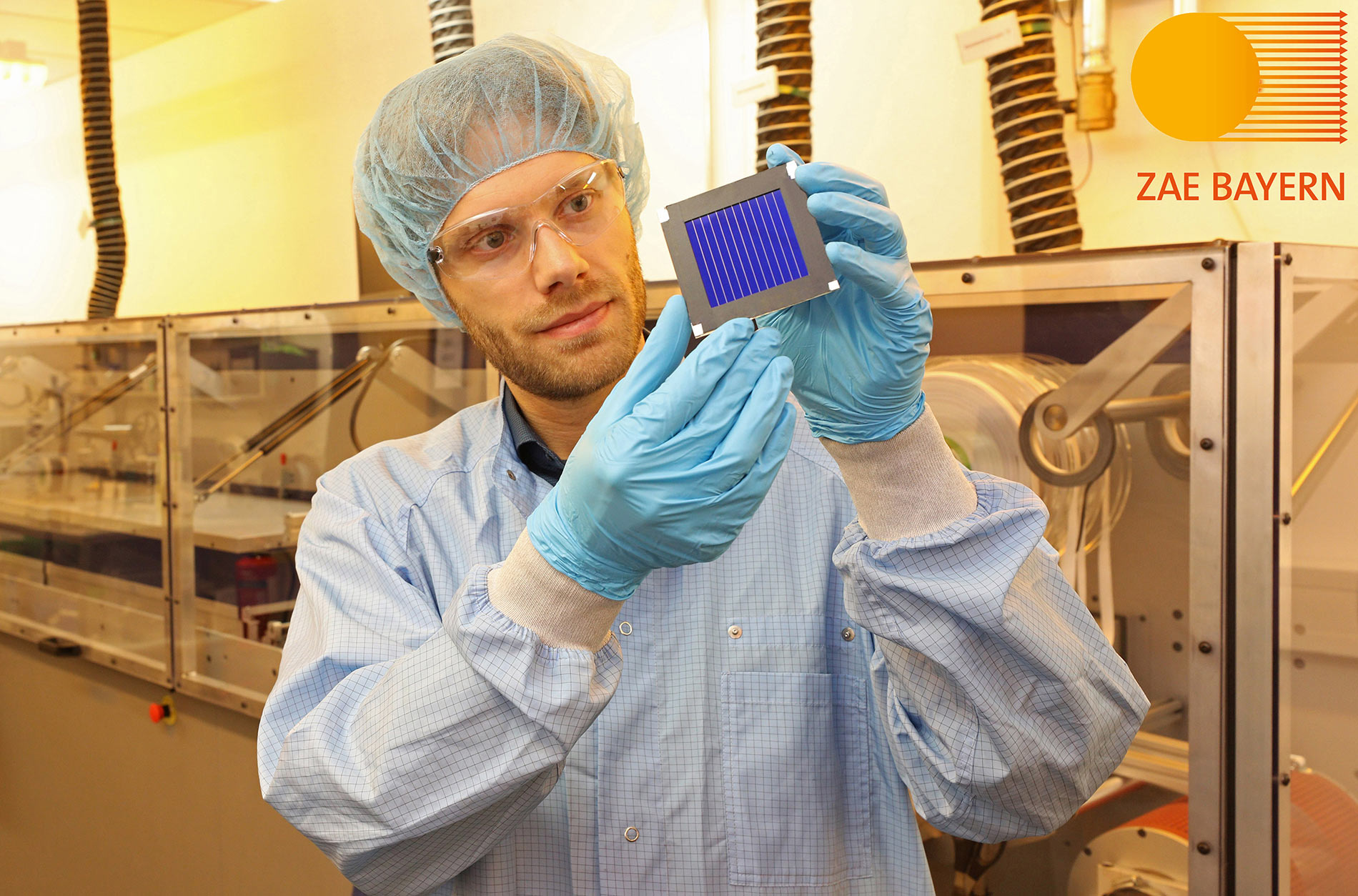
A research team from Nuremberg and Erlangen has set a new record for the power conversion efficiency of organic photovoltaic modules (OPV) that exceeds the previous one by 30 percent!